Please note: this virtual exhibit is best viewed from a computer, not mobile.
Welcome
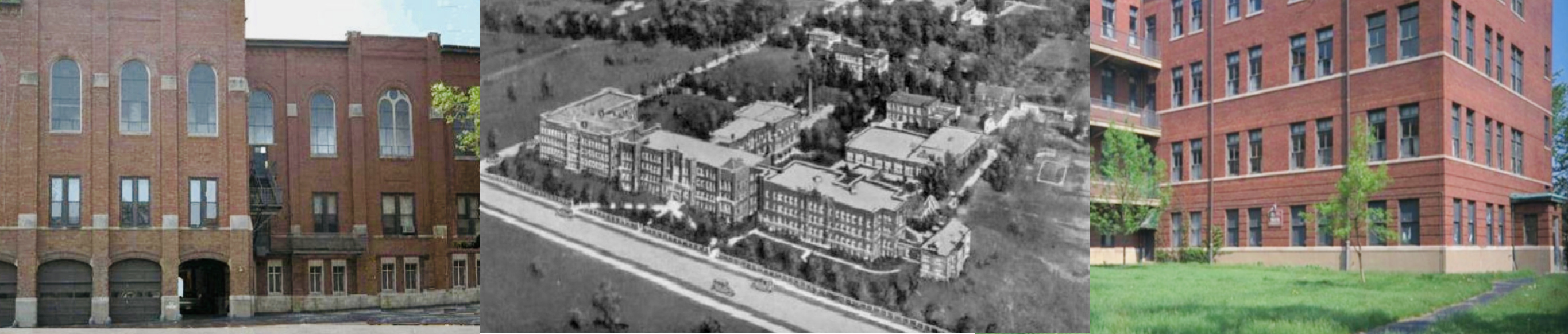
Come and learn about the orphanage in a small Chicagoland town that took in children from around the world. The orphanage was named after Saint Hedwig of Silesia, a Polish Duchess canonized in 1267.
Three unique stories of former Hedwigians are included as a part of this exhibit. These can be found through individual links at the end of this online exhibit, as well as in person at the Niles Historical and Cultural Center.
The Orphanage
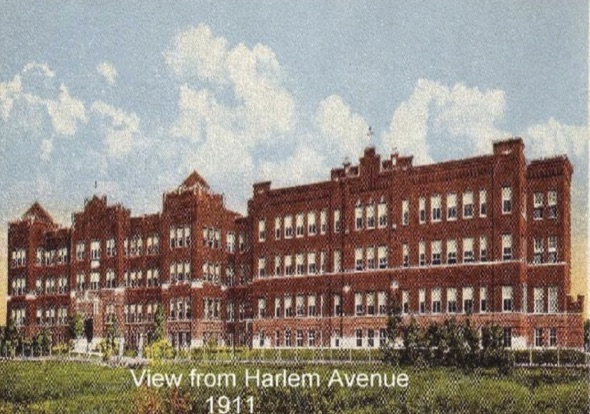
The orphanage was built in 1910 by the Polish-American parishes in the Chicagoland area on 7135 Harlem Avenue. Local stonecutters and masons worked to complete the 17 acre complex with four buildings: school and administration, separate male and female dormitories, and a chapel. Saint Hedwig’s Industrial School opened its doors on July 12, 1911 to 34 boys and 29 girls. Girls attended Saint Hedwig’s Industrial School for Girls while the boys went to the Polish Manual Training for Boys. It cost $23.28 for boys and $26.45 for a girl in 1942.
View from Harlem Avenue in 1911 ▶︎
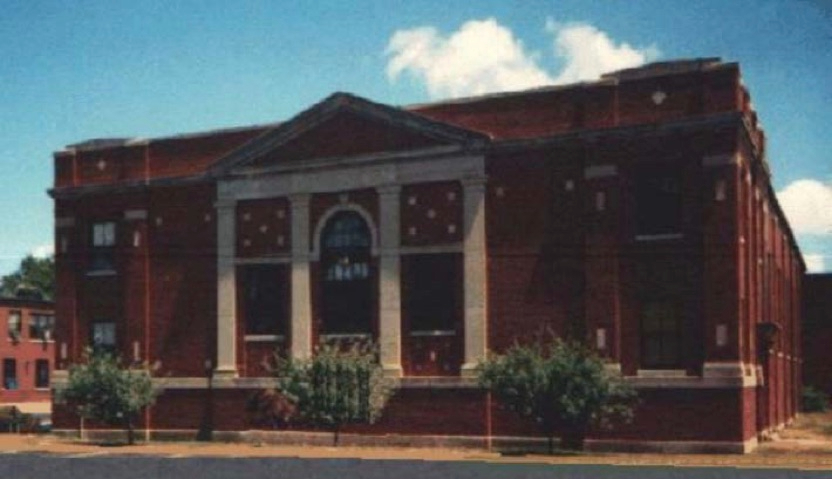

The Property
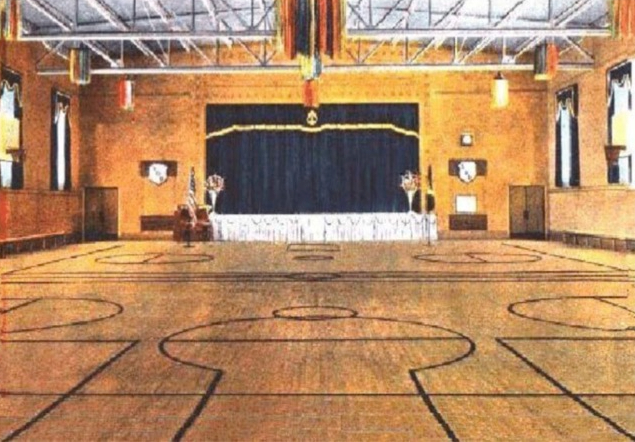
The Gymnasium was the singular structure of its kind for miles around. It offered indoor activities to the children in the winter months including basketball, volleyball, ping pong, and intramural
sports.
The gym also hosted public and private theatre and weekly movies on Fridays.
Leadership
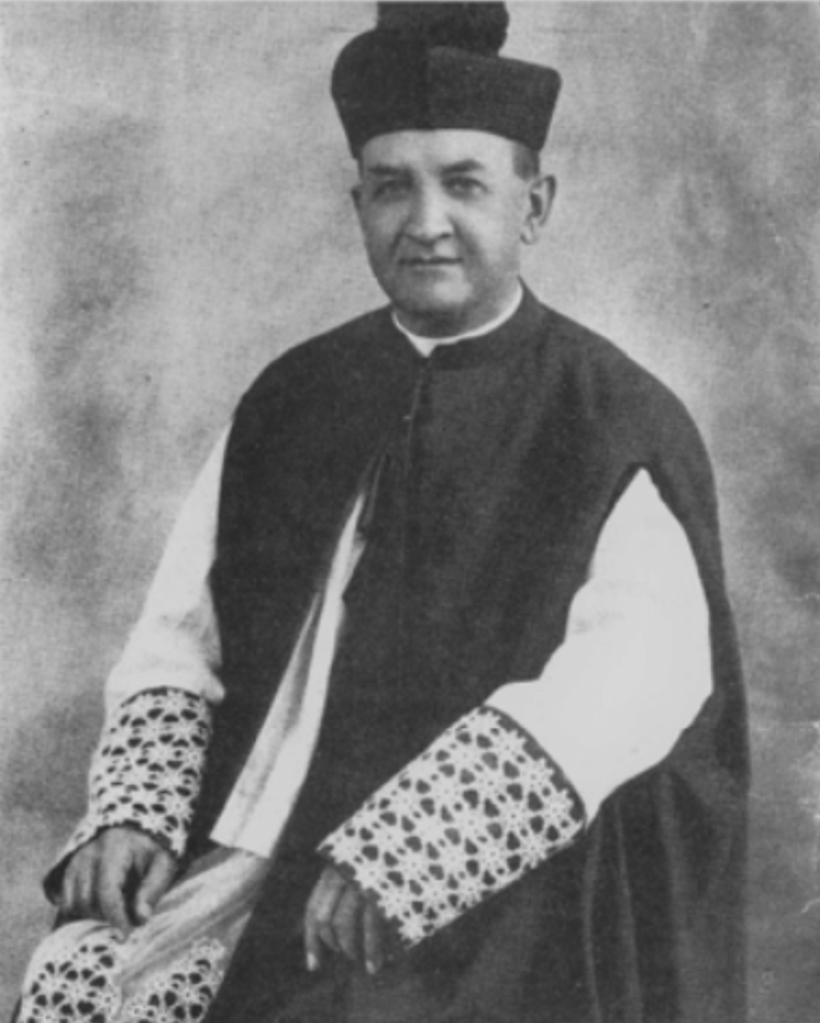
Father Francis S. Rusch arrived at Saint Hedwig’s the year it opened in 1911 and served 48 years. Instead of referring to the orphanage as such, he called it a boarding school for children. Rusch expanded the 14 acres to 71 acres during his years of service. The Monsignor facilitated many outings and activities for the children such as the Hawthorn-Mellody dairy and petting zoo, Riverview, and Villa Maria in Pistakee bay.
◀︎ Father Francis S. Rusch
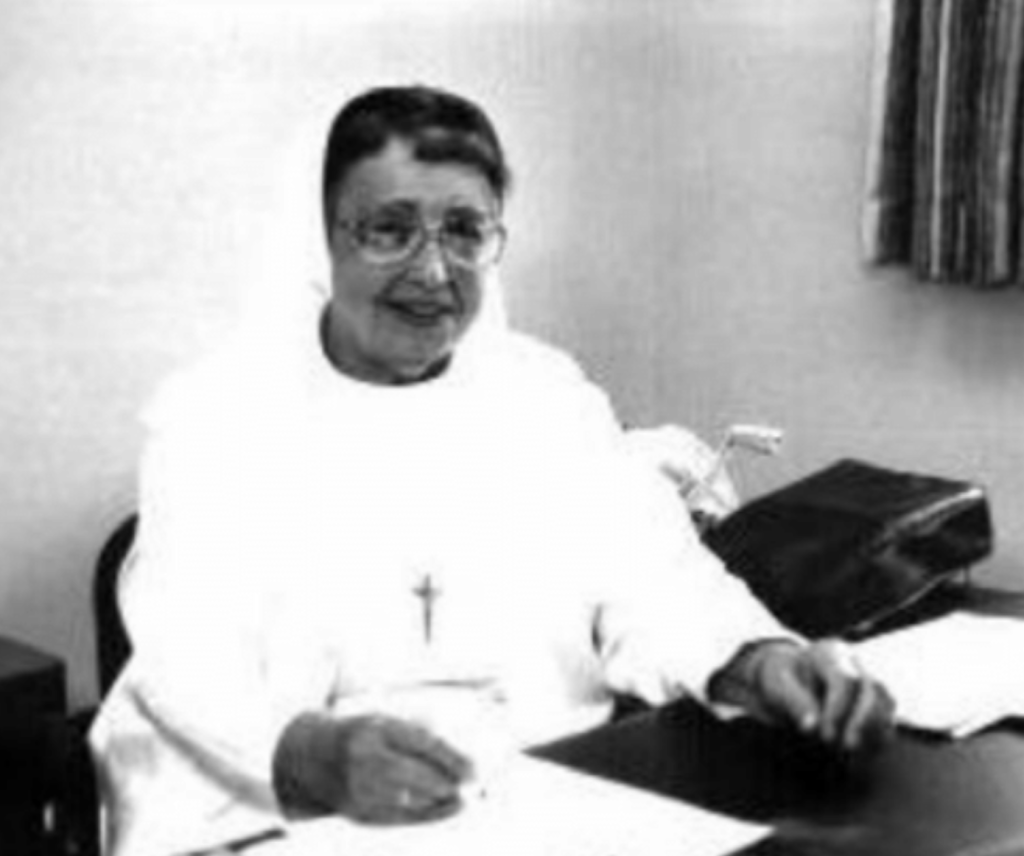
The Felician Sisters of North American sent 15 of their own to help run the orphanage. The
Sisters were loved by the children. Their service is still appreciated and recognized in the Hedwigian II newsletter. Since most of the children did not have parents to run to, the nuns had to encourage independent behavior and discipline.
The Niles Historical and Cultural Center has multiple files on the Felician Sisters, including positions and many other duties performed at the orphanage. Please visit our archives for further research.
Sister Mary Alvernia worked in the Saint Hedwig’s administrative office for 20 years ▶︎
Religious Life
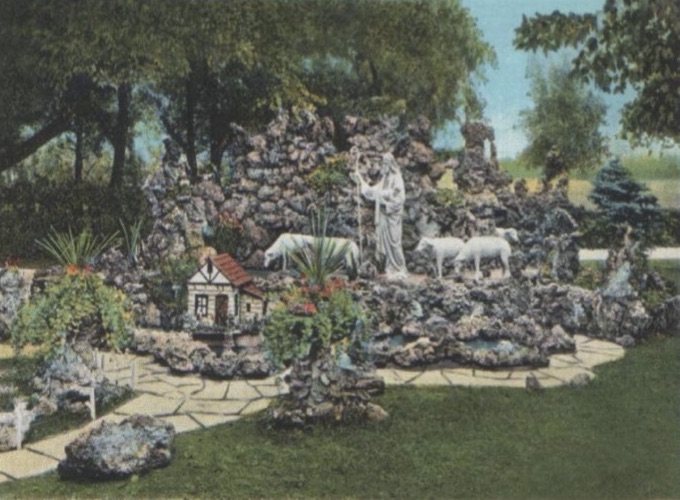
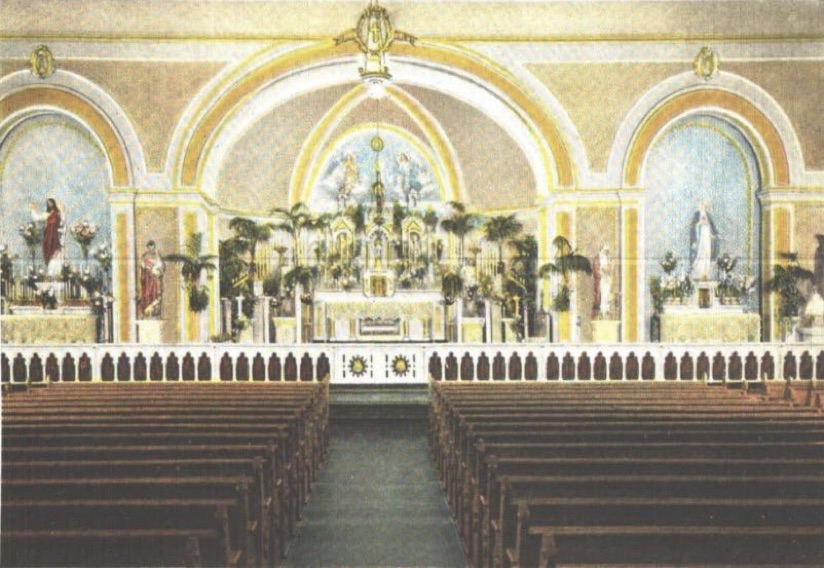
Saint Hedwig’s catered to the “spiritual, moral, mental, physical, and social development” of all the children in their care. This included religious life as well. There were many grottos and shrines on the property. This quote comes from the advertising booklet for the orphanage, which is available for view upon request.
The Dining Hall
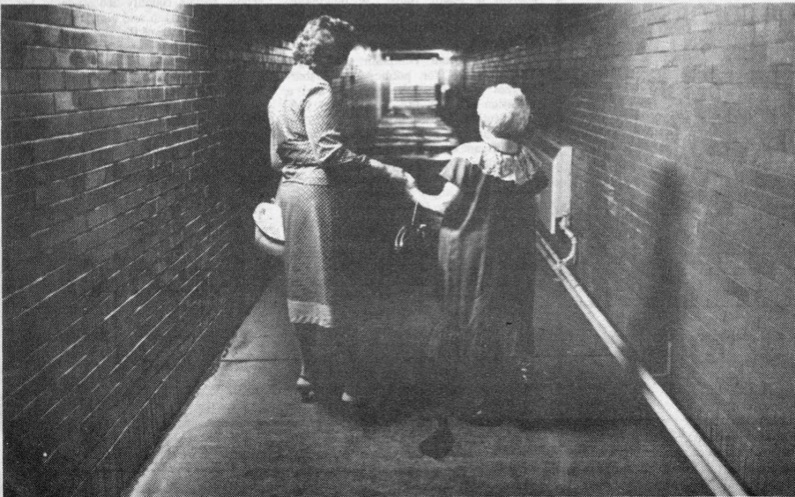
The dining hall was connected to the rest of the property via a series of tunnels pictured in the layout of the property. The children used the halls to get to dormitories, auditorium, and laundry rooms.
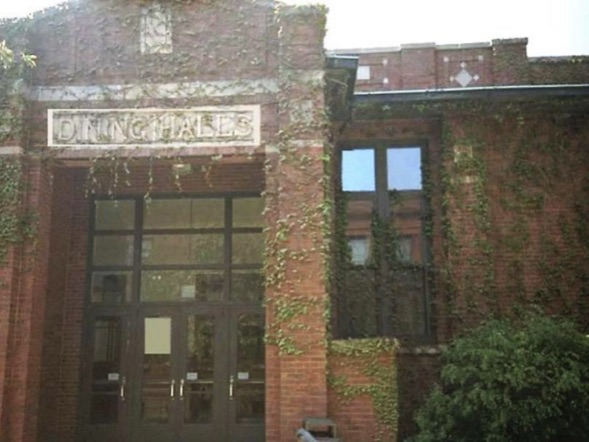
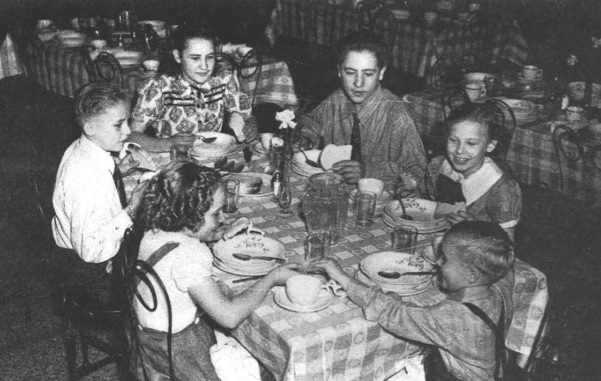
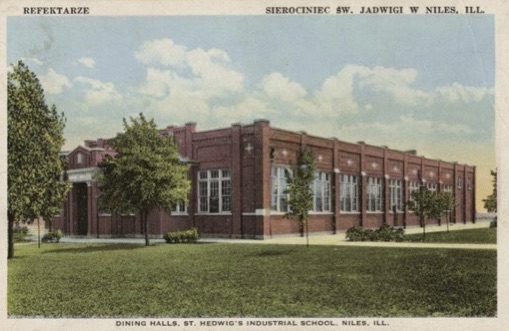
Children of the same family had dinner together once a week at the family table. As most things were at this Catholic orphanage, the girls and boys had their own dining halls.
Recreation
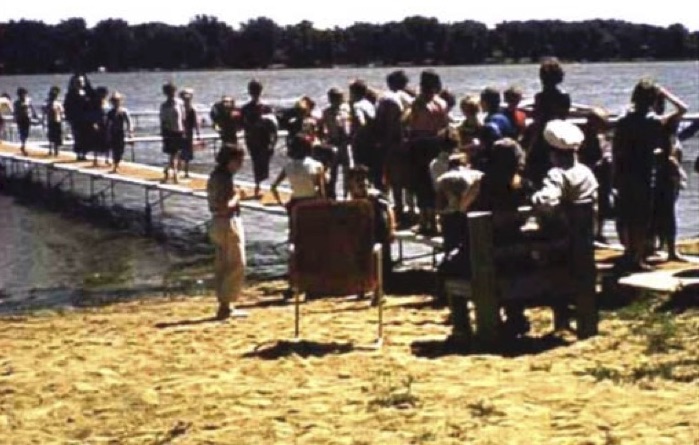
The children visited Villa Maria in Pistakee Bay thanks to Monsignor Rusch. The nuns, ever present in the children’s lives, protected them and enjoyed the excursions.
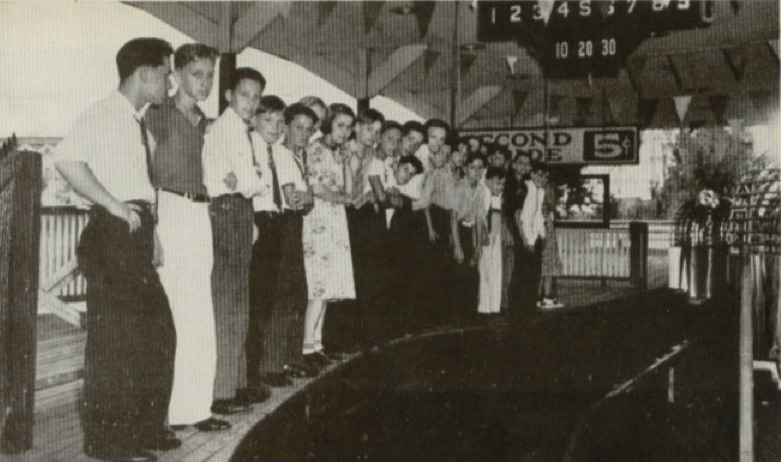
The children also visited Riverview Amusement Park annually. The wooden roller coaster (pictured right) was called The Bobs. It was a main attraction at the family amusement park on the banks for the Chicago River with the slogan “laugh your troubles away”. The park closed down in 1967.
Trade School
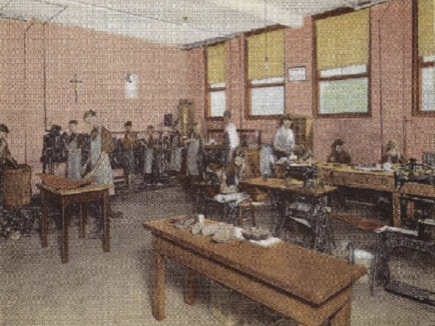
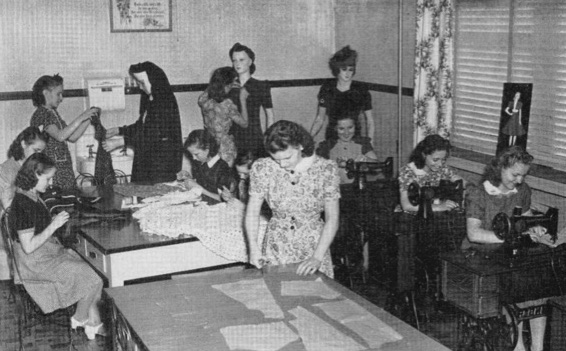
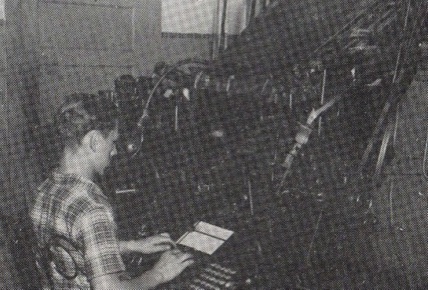
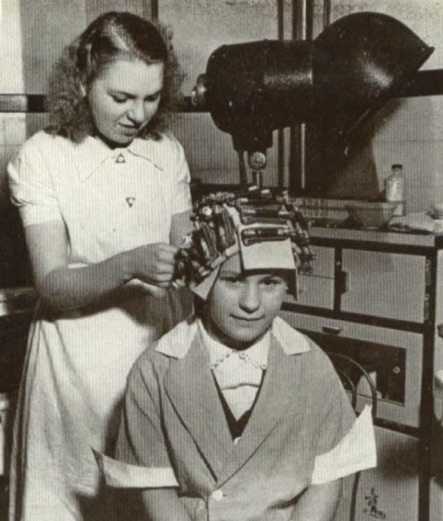
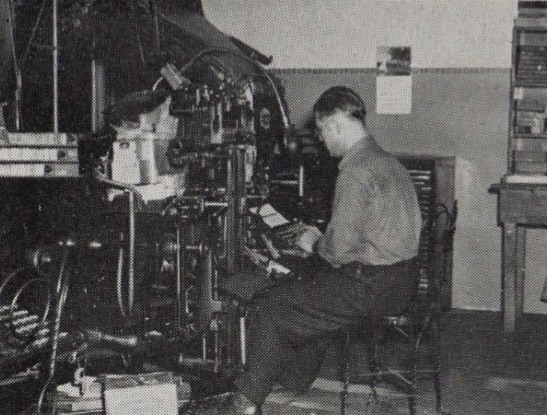
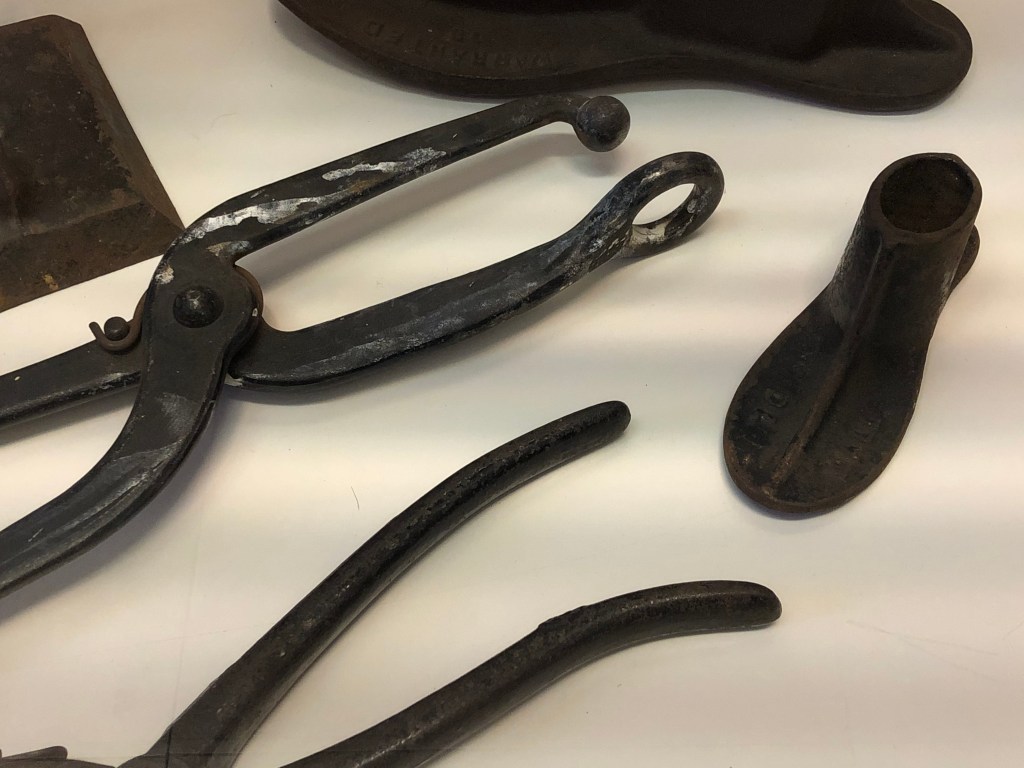
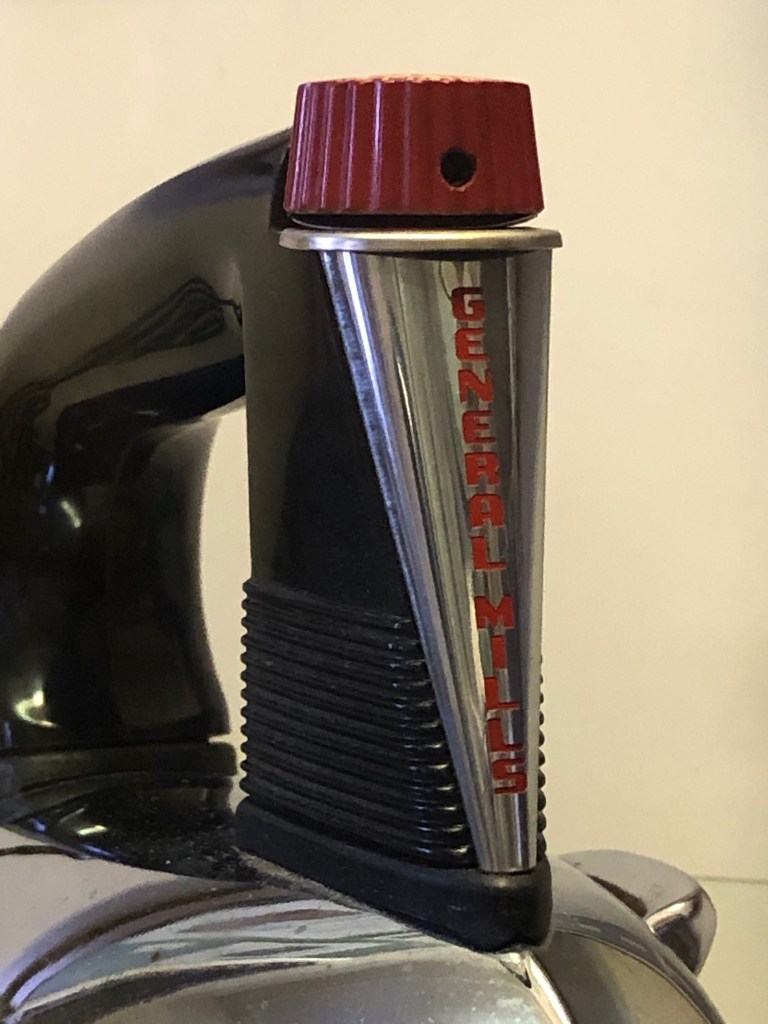
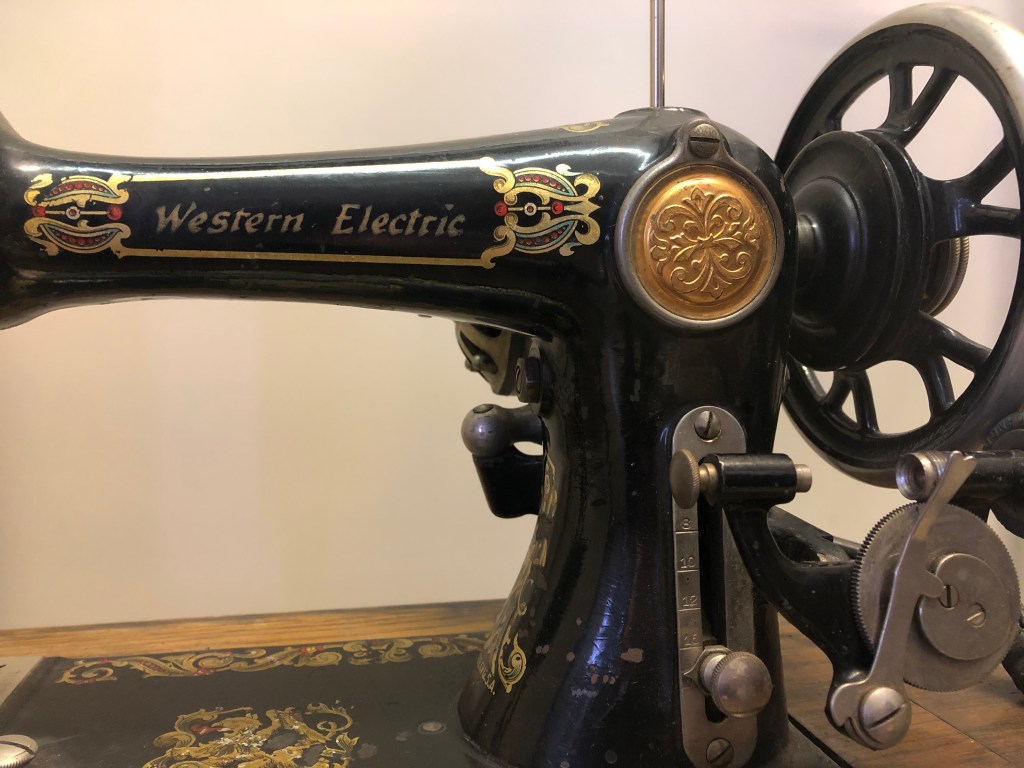
The Vocational Schools on the property ranged to accommodate age groups and trades. Boys were trained in various labor trades such as the linotype, book binding, and carpentry. Girls were trained in the domestic sciences including dressmaking, table setting, and, of course, cooking. There were other courses offered such as secretarial, hair cutting, and poultry farming.
The following items pertaining to the various vocational schools at Saint Hedwig’s can be seen on display at the Niles Historical and Cultural Center. ▼


Siberian Refugees
World War II left many children orphaned and homeless. The Soviet Union lead by Joseph Stalin captured thousands of Polish people, starting with the men. The men were captured and sent to camps. Once there, the Soviet secret police allowed the Polish soldiers to send letters to their families. Before they were sent, the Soviets shot the soldiers and took the letters. Using the addresses on the letters, the soldiers went back to Poland, rounded up the women and children, and took them to Siberia.
Some of the people shipped off to Siberia survived. They overcame starvation, frigid cold, and the gulags. A few people made their way back to Poland while others fled to America. The Catholic Church assisted many people in fleeing from war-torn Europe. Some orphans eventually made their way to Colonia Santa Rosa in Leon, Guanajuato, Mexico.
Chicago’s Catholic parishioners had a large Polish population. Wanting to help the families and children ripped apart by the war, they asked Saint Hedwig’s to send an emissary to Colonia Santa Rosa. Monsignor Rusch and a few Felician nuns went to the Mexican town to bring 104 orphans to the United States. They were brought to Saint Hedwig’s Orphanage. Some of the graduates stayed in the area and built lives for themselves.
Stories
Click on the buttons below to learn about a former Hedwigian

x
(coming soon)
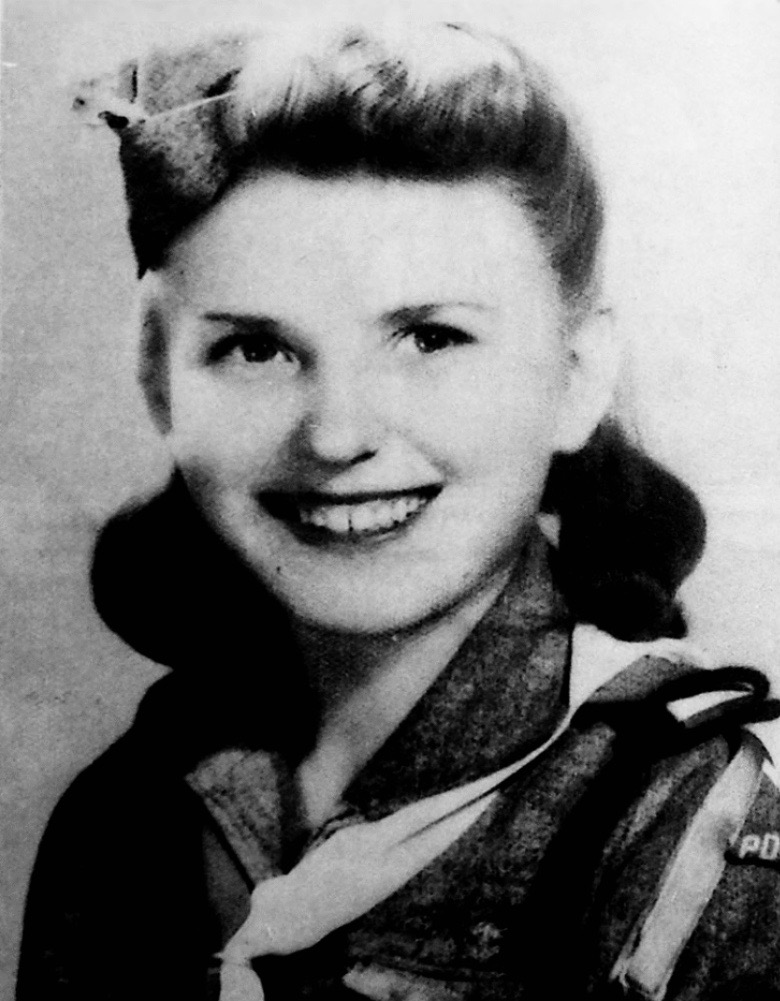
Anita Paschwa-Kozicka
(coming soon)

x
(coming soon)
TO LEARN MORE
Please visit our museum for original Hedwigian II Newsletters and to view the full exhibit with artifacts as well as additional photographs and films.
To see the Alumni Directory click this link St. Hedwig Alumni Association Directory, November 1994.
For genealogical research contact the Archdiocese of Chicago Archives at https://archives.archchicago.org/request-a-record
Research, writing and organization by: Bianca Mariottini
Digitization and graphics by: Gabrielle Tornquist
 Niles Historical and Cultural Center